
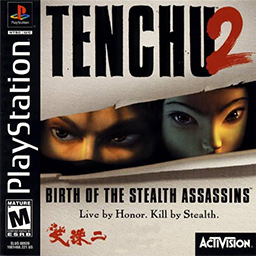
So there’s me, shortly before George W. Bush was elected, sitting on the carpet in my mom’s living room, playing Tenchu 2 on my PlayStation.
Remember the the Tenchu series? You’re forgiven if you don’t, there hasn’t been a game in the series since 2008. The important point here is that the Tenchu series was a stealth ninja game that started on the original PlayStation, and it could be bitch-hard in places.
Especially in Tenchu 2: Birth of the Stealth Assassins. At least for me, that day in the futuristic year 2000, as I sat on my floor and failed to clear a stealth section.
And failed.
And failed again.
After so many tries, honestly it wasn’t really that many, something in me, stealthily, broke.
I went temporarily bugfuck insane.
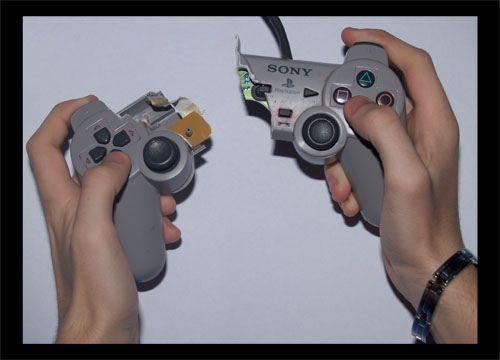
I started screaming and bashing my controller on the carpet. It was soft carpet, but it still managed to break. The destruction of an item I was way too unemployed to replace brought me back to my senses and I was suddenly embarrassed. Why had I gotten so angry over a video game? It was just a video game. It was a rental.
The controller still kind of worked, but the rumble feature was now disabled and it was badly cracked. Every once and a while it would give me a small electric shock from the ruined rumble motors to remind me of my shame.
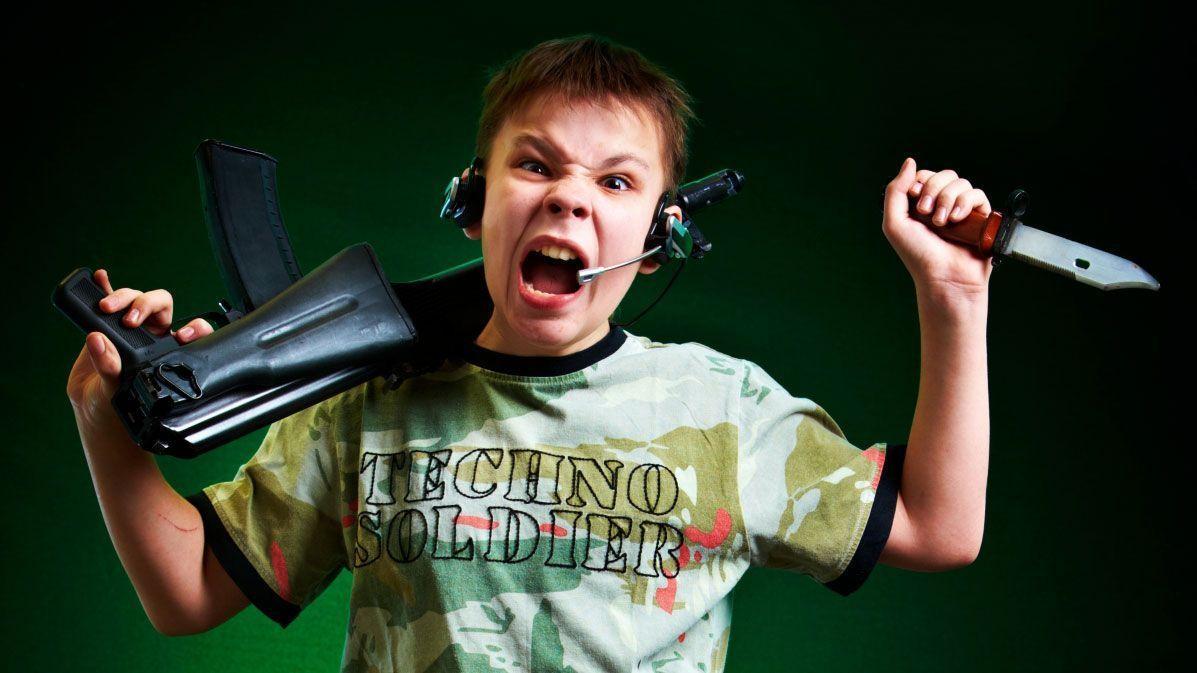
So, when I saw today that researchers have proposed that the aggression noted in studies of video games is likely a product of gamer frustration, refuting the previously accepted theory that violent games fill kids with computer violence demons, all I could say is “I know that feel bro.”
The study “Competence-impeding electronic games and players’ aggressive feelings, thoughts, and behaviors” published in the March Journal of Personality and Social Psychology monitored college students as researchers “manipulated” the controls and difficulty of various video games and then monitored its effect on aggression. A story about the findings was published on The University of Rochester website.

Unsurprisingly, the players who were subjected to difficult or unfair games were more pissed and thus more aggressive than those who played easy games.
“Any player who has thrown down a remote control after losing an electronic game can relate to the intense feelings or anger failure can cause,” explains lead author Andrew Przybylski, a researcher at the Oxford Internet Institute at Oxford University, who said such frustration is commonly known among gamers as “rage-quitting.”

Or being a little crybaby bitch, if you’re playing online or against another person. And rage-quitting is usually used to describe someone who quits a competitive game before it’s finished, not someone who gets mad during single-player, but this guy also thinks the game controllers are called “remote controls” so I’m cutting him a little slack.
Richard Ryan, a motivational psychologist at the University of Rochester, added to the thundering obviousness with “when people feel they have no control over the outcome of a game, that leads to aggression. We saw that in our experiments. If you press someone’s competencies, they’ll become more aggressive, and our effects held up whether the games were violent or not.”
So, there. The problem isn’t violent video games. It’s poorly programmed, poorly balanced violent video games. So leave gamers alone and hire more playtesters.
So says science.
On the other hand, I’ve got a browser window open right now looking up used copies of Tenchu 2 on eBay. Dredging up this memory just made me want to finally beat it, because I’m apparently addicted to punishment of a not quite fair challenge. I guess it’s too late for some of us.


I wish we thought of using rage-quit as a part of my group's study. We just went for Ghostbusters-style "zap if you lose" for our reaction measurement test. Tee hee.