
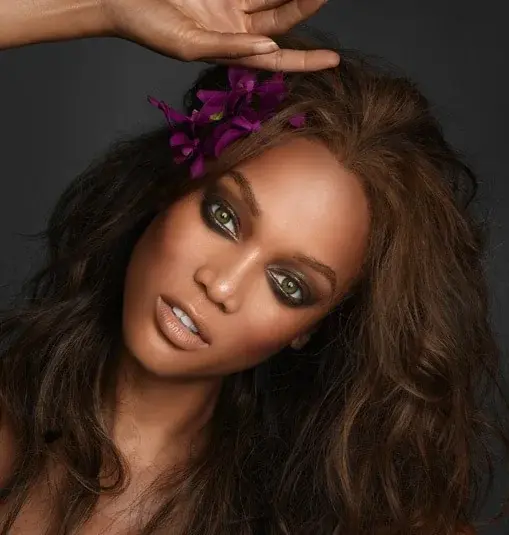
Reality Check: Inside America’s Next Top Model Asks Us to Revisit the Show That Shaped a Generation
Long before social media dissected reality television in real time, America’s Next Top Model taught an entire generation how to “smize,” walk a runway, and believe that ambition itself could be glamorous. Created and hosted by Tyra Banks, the long-running reality competition didn’t just crown winners, it shaped conversations about beauty, success, and visibility. Now, eight years after the show ended in 2018, Netflix’s upcoming three-part documentary Reality Check: Inside America’s Next Top Model revisits the phenomenon with fresh eyes and tougher questions.
When Fashion Met Reality TV Stardom
When America’s Next Top Model premiered in 2003, reality television was still experimenting with its identity. Unlike singing competitions or dating shows, ANTM sold transformation. Each cycle promised that an ordinary person could break into an industry known for exclusivity and rejection.
Week after week, viewers watched contestants endure makeovers, photoshoots, go-sees, and judging panels that felt equal parts glamorous and brutal. Over time, the formula worked. ANTM became appointment television, dominating pop culture throughout the 2000s and cementing itself as one of the most recognizable reality franchises of all time.
Catchphrases, Chaos, and Cultural Impact
ANTM didn’t just entertain, it rewired how people talked about confidence and beauty. Terms like “smize,” “fierce,” and “booty tooch” slipped effortlessly into everyday language. Meanwhile, unforgettable moments, including Tyra Banks’ now-legendary “We were all rooting for you” confrontation, became viral long before memes ruled the internet.
These scenes fueled watercooler conversations and online debates, ensuring the show’s relevance long after episodes aired. Even today, clips resurface regularly, reminding audiences just how deeply ANTM embedded itself into pop culture.
Redefining Who Gets to Be Beautiful
One of the show’s most meaningful contributions was its challenge to traditional beauty standards. At a time when high fashion rarely featured bodies outside a narrow mold, ANTM consistently cast plus-size contestants and treated them as serious competitors.
Figures like Toccara Jones and Whitney Thompson, the franchise’s first plus-size winner, helped normalize body diversity on mainstream television. While the industry moved slowly, the show undeniably pushed audiences to rethink what a “model” could look like.
In addition, ANTM provided early visibility for LGBTQ+ contestants, offering representation that was rare on network TV at the time. For many viewers, seeing openly queer contestants compete without apology felt groundbreaking, even when the show’s handling of those stories fell short.
Reality Check: Inside America’s Next Top Model Trailer
https://www.youtube.com/watch?v=64eaReTHCgc
From Reality Fame to Real Careers
For years, reality television carried a stigma, one that made professional success feel out of reach. However, as ANTM evolved, that perception began to change.
Contestants like Eva Marcille and Yaya DaCosta transitioned into acting careers, while Leila Goldkuhl carved out a respected space in high fashion. Their success helped redefine reality TV as a stepping stone rather than a dead end.
Two names further underscore the show’s lasting influence. Lio Tipton, who competed in Cycle 11, transformed their ANTM exposure into a steady acting career across film, television, and theater. Her trajectory illustrates how the show increasingly served as a gateway to broader entertainment careers.
Meanwhile, Allison Harvard emerged as one of the most iconic contestants in ANTM history. Known for her haunting look and distinctive personality, Harvard became a cultural favorite despite never winning. She parlayed her visibility into modeling, art, and internet-era fame, proving that impact mattered more than trophies.
The Darker Side of the Dream
Yet Reality Check makes it clear that the show’s glossy surface often masked deeper issues. As the trailer suggests, former contestants speak candidly about the emotional toll of competing under constant surveillance and high-pressure conditions.
The documentary revisits controversial moments that once passed as entertainment but now raise serious concerns. Extreme makeovers, emotionally charged eliminations, and confrontational judging sessions take on new meaning in hindsight. Allegations of exploitation, body shaming, racial insensitivity, and manipulation form a central thread of the series.
Rather than sensationalizing these claims, Reality Check positions them within a broader reckoning about early-2000s reality television, an era that prioritized drama over well-being.
Tyra Banks and the Question of Accountability
As the face of the franchise, Tyra Banks remains inseparable from ANTM’s legacy. Her presence in the documentary adds complexity rather than closure. In new interviews, she reflects on the show with both pride and regret, acknowledging moments that missed the mark while emphasizing the doors ANTM opened.
Instead of offering easy answers, Reality Check uses her reflections to ask a larger question: how much responsibility should creators bear for the cultural impact of their work? The series resists a simple redemption arc, opting instead for nuance and self-examination.
A Franchise That Never Really Ended
Although ANTM concluded its American run in 2018 due to declining ratings, the franchise itself continues to thrive globally. Versions of Next Top Model remain active in countries like Germany, Greece, Poland, the Netherlands, and Vietnam.
This international success underscores the format’s staying power, and complicates its legacy. While the American series faces renewed criticism, its influence still shapes fashion-based reality television worldwide.
What America’s Next Top Model Left Behind
Ultimately, Reality Check: Inside America’s Next Top Model doesn’t attempt to cancel or canonize the show. Instead, it reframes ANTM as a cultural artifact, one that empowered many while failing others.
Eight years after its final season, the series still sparks strong reactions because it reflects unresolved tensions about beauty, ambition, and entertainment. By balancing nostalgia with accountability, the documentary invites viewers to confront not just what ANTM was, but what it taught us, and what we’re finally ready to question.

11 replies
Loading new replies...
Serving Lewks
New Member
Member
Member
When you cut me, I bleed pink
Member
I am Alive!
Member
Riding Both sides
Join the full discussion at the PopGeeks.com Forum | Indie Games, Movies, TV & Comics →