
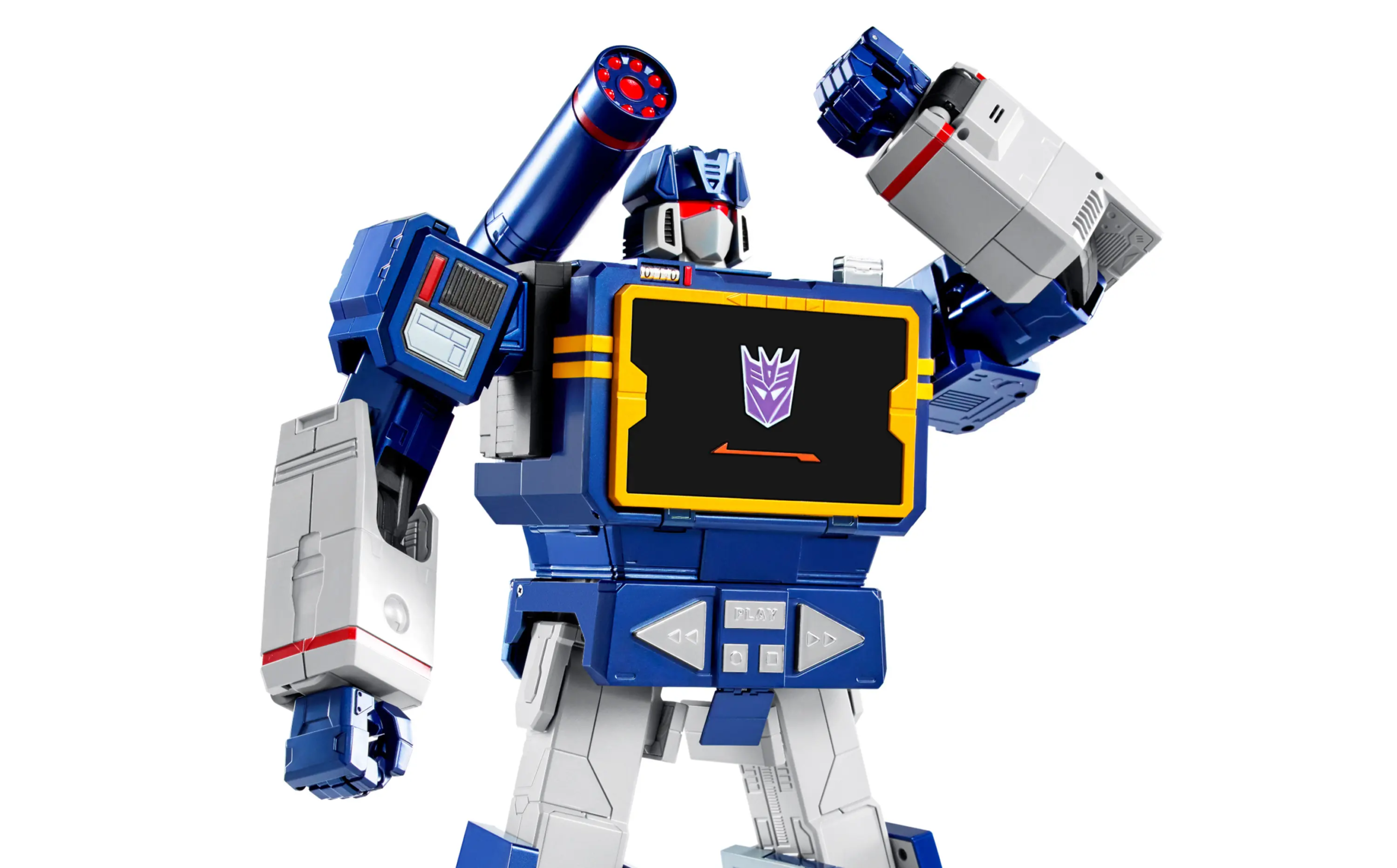
You’ve no doubt run across that meme about the tech bros who want to build the doomsday device from the classic novel “Don’t Build The Doomsday Device.” Well, we regret to report that this time, they’ve gone too far and will definitely be the death of us all. They’re starting to build DECEPTICONS.
Robosen Robotics Innovation, Inc. has teamed up with Hasbro to create what kids for decades thought would always be pure fantasy: a 14-inch-tall Soundwave that actually walks, actually talks, strikes fighting stances and even transforms. All by itself.

Yes, it can fold itself entirely into a cassette player and back into a robot, at command. The cherry on the sundae would be if the thing actually played cassettes but….it doesn’t. They clearly thought of it, though, because they struck a compromise by making it a functional Bluetooth music streamer. You can stream music to the player and control playback with the buttons on its face. When it’s Soundwave, you can watch it perform its own moves or you can control those moves with Robosen’s app on your phone.
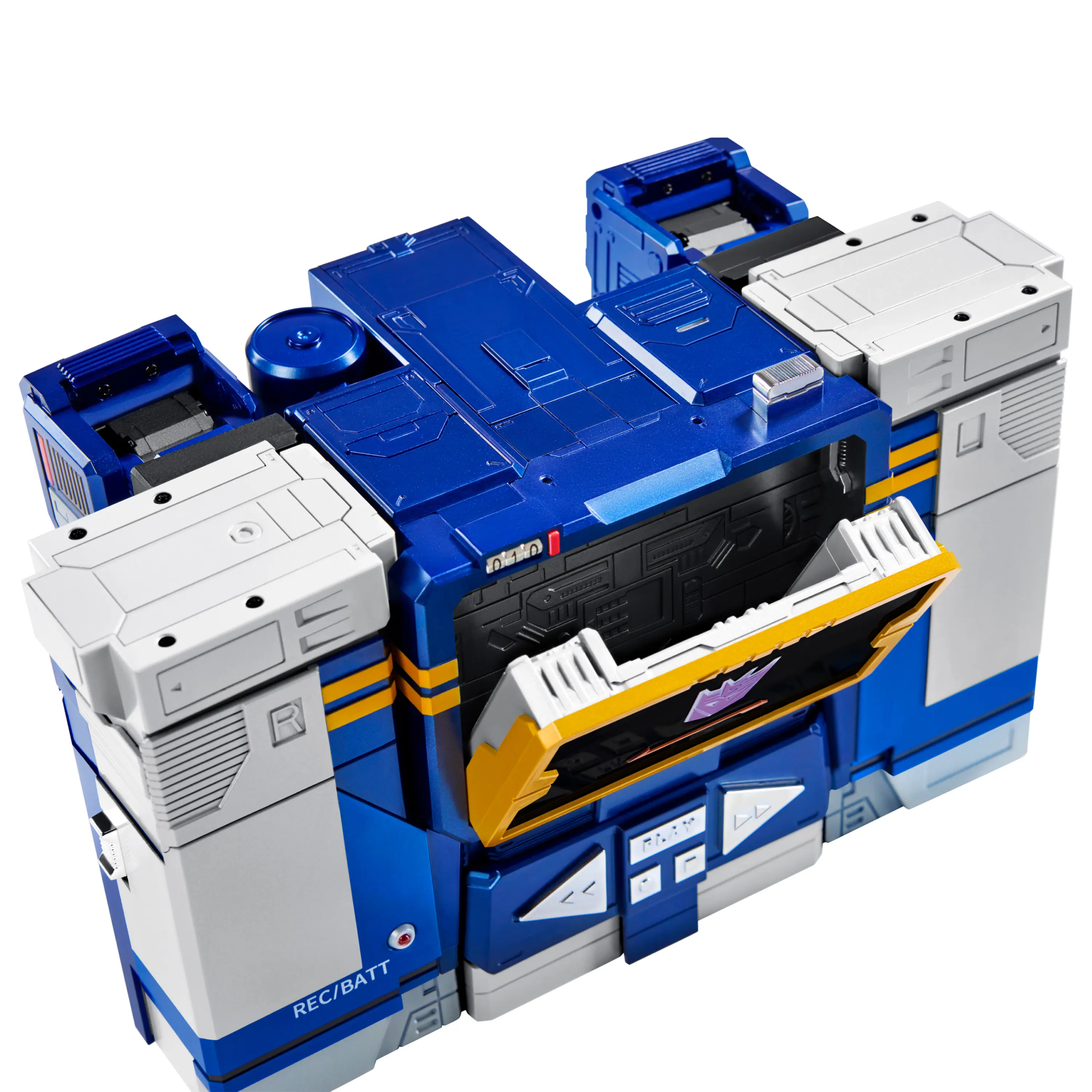
They spared no expense here – this is the closest Soundwave has come to actually existing. Frank Welker himself was hired to bestow him with over 200 audio phrases, and he even responds to fifty different voice commands. And if all it can do isn’t enough, you can use the Robosen app to program in your own moves, or the face buttons to record your own phrases (do your best Welker impression).
So when all is said and done, how much does it cost to truly bring Soundwave to life? According to the Robosen website, a hefty grand — and that’s the sale price. The interactive model reverts to its intended sticker of $1,399 on January 4. Perhaps this is what will save mankind…Soundwave is real, but no one can buy one. The Decepticon will start shipping in April.



9 replies
Loading new replies...
Member
Umazing
Member
New Member
New Member
Digital Dynamo
Member
Master of Furry Fashion
New Member
Join the full discussion at the PopGeeks.com Forum | Indie Games, Movies, TV & Comics →