
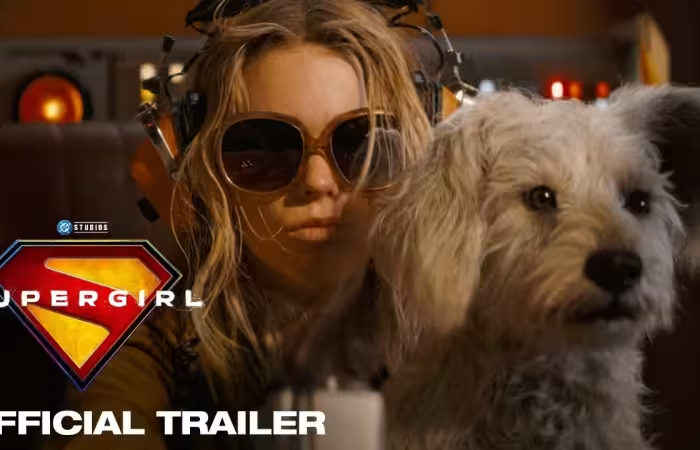
Supergirl (2026) takes direct inspiration from Supergirl: Woman of Tomorrow, the critically acclaimed comic by Tom King and Bilquis Evely. In other words, the film isn’t pulling from some random, half-baked idea, it’s adapting one of the most respected Supergirl stories ever written.
Naturally, that hasn’t stopped certain corners of the internet from declaring the movie a disaster months before release. Because, of course, nothing says “serious film criticism” like judging a movie you haven’t seen, based on a character you haven’t read.
This Isn’t the Supergirl You Think You Know
This version of Kara Zor-El isn’t designed to be a cheerful counterpart to Superman. Instead, she’s something far more interesting, and far more human.
Unlike Clark, Kara actually remembers Krypton. She didn’t just lose a planet in theory; she watched it die. She lost her family, her culture, and her entire sense of belonging. That trauma defines her.
Meanwhile, her original mission fell apart before it even began. She was sent to raise her infant cousin. However, he arrived on Earth first, grew up, and became the world’s greatest hero. So yes, the person she was supposed to guide is now older, wiser, and more emotionally stable than she is. That tends to mess with your sense of purpose.
And yet, somehow, people still reduce her to “why is she drunk?”
Here’s why: Kara deliberately goes to planets with red suns so her powers weaken enough for her to feel intoxication. Not because it’s quirky. Not because it’s funny. Because it’s one of the only ways she can temporarily shut off the constant weight of grief.
But sure, let’s ignore all that nuance. That’s definitely the problem.
A Simple Setup With Real Emotional Stakes
At the center of the story is Krypto, Kara’s super-dog and, more importantly, her last emotional connection to Krypton.
Then Krem of the Yellow Hills poisons him.
Now the story has direction.
With only days to save Krypto, Kara launches into a galaxy-spanning hunt for the antidote. Along the way, she meets Ruthye Marye Knoll, a young girl whose family Krem murdered. Their motivations align quickly: one wants justice, the other wants to save the last thing she loves.
Consequently, the film becomes a revenge story, but not a shallow one. It constantly questions whether revenge actually fixes anything… or just leaves you emptier.
Lobo Isn’t the Villain, He’s the Problem (In a Good Way)
Then there’s Lobo, played by Jason Momoa.
A lot of fans assumed he’d be the main villain. That would’ve been the obvious choice. Instead, the film does something smarter.
Lobo operates like a chaos agent. One minute he’s helping, the next he’s making things worse, and most of the time he’s just doing whatever benefits him. Think less “big bad” and more “unpredictable force of nature.” Essentially, he’s a tweener, switching sides whenever it suits him.
Which, ironically, makes him more interesting than a standard antagonist.
The People Behind the Film Actually Know What They’re Doing
Director Craig Gillespie isn’t new to complicated female leads. He directed I, Tonya and Cruella, both of which centered on messy, flawed, very human characters. So no, this isn’t someone who’s going to flatten Kara into a generic action hero.
The script comes from Ana Nogueira, while James Gunn and Peter Safran produce. Gunn, in particular, has already proven he can mix cosmic spectacle with emotional storytelling in Guardians of the Galaxy– something this film clearly aims to do.
But yes, random Twitter accounts probably know better.
Milly Alcock Isn’t a Gamble, She’s a Smart Bet

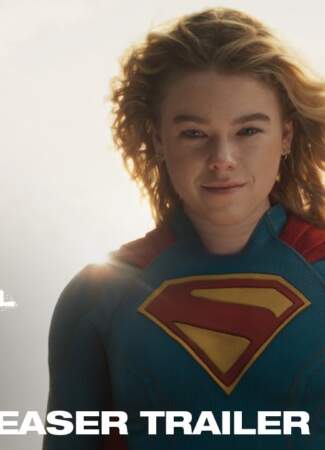
Milly Alcock steps into the lead role, and if you’ve seen her in House of the Dragon, you already know she can carry emotionally intense material.
She’s also built momentum with her role in Sirens, which is already available on Netflix. In other words, she’s not some unknown gamble, she’s a rising actor with proven range.
But again, why evaluate performances when you can complain in advance?
Early Reactions vs. Online Noise
Test screenings have reportedly gone well. Audiences have responded to the emotional core, the character dynamics, and the balance between humor and darker themes.
Meanwhile, a certain group of fans continues to insist the film will fail, without seeing it, without engaging with the source material, and often without even understanding the character.
At some point, it stops being criticism and starts being… something else.
The Bigger Picture
Supergirl (2026) isn’t trying to be a safe, paint-by-numbers superhero movie. It’s telling a story about grief, identity, and the dangerous appeal of revenge.
Kara doesn’t start as a symbol of hope. She starts as someone who has lost everything, and isn’t sure what comes next.
That’s the story.
Not whatever imaginary version people are arguing about online.


5 replies
Loading new replies...
Active Member
New Member
New Member
My Name is Luca, I live on the second floor
Refined Rebel
Join the full discussion at the PopGeeks.com Forum | Indie Games, Movies, TV & Comics →