

Ralph Tedesco, Zenescope Entertainment co-founder, discusses the company’s origins & evolution in comics, revealing behind-the-scenes insights.
Ralph Tedesco is the co-founder of Zenescope Entertainment, who launched the publishing entity in 2005 with his partner, Joe Brusha. 18 years later, Ralph has continued to guide its success into the world of comics and beyond. This is the third and final interview in a collaboration between Popgeeks and WIZARDS The Podcast Guide To Comics, exploring the origins and ambitions of the Zenescope brand.
Ralph Tedesco: Thank you for having me, guys.
Michael Cannetti: I personally am a huge fan of Zenescope. I’ve been reading issues of the comic since 2011 or so. I actually went and did a deep dive into all of my comics this evening to try to find some of the earliest issues that I was reading. So I’m trying not to nerd out too much, because I’m super excited.
Adam Pope: On the other side, I’ve been learning along the way.
Michael Cannetti: One of the things that I’ve been dying to ask you is, what made you want to start a comic book company or an imprint?
Ralph Tedesco: Well, it’s weird. We never really went into it with the idea of starting an imprint. I wouldn’t have been able to tell you what an imprint was back then. I just had this idea to publish a comic. We were both struggling screenwriters. I was living in Los Angeles, but I’m from Philly and our company is based in Philly. But my then writing partner, Joe Brusha, who’s now my business partner, mentioned to me when I was back visiting for a wedding, “Hey, what do you know about comic books?” And I honestly I knew nothing about comic books. I didn’t really read them growing up. It just wasn’t something I got into for some reason. I watched the Superman movies and stuff like that, but I didn’t know much.
So he was like, “Well, you have this idea. What if you wrote and published your own comic book? And maybe if we publish something good, we can try to turn into a movie.” It was a very naive way of looking at things. We were in our mid-20’s then. I was like, “Well, I don’t know anything about superheroes. I don’t think I can write superhero stuff. It’s just not my cup of tea. They’ve already done everything.” And he was like, “ No. Go watch Road To Perdition and A History Of Violence. Those types of movies were out around that time. And I was like, “Oh, those are based on comic books?” I thought, I can write stuff like that.
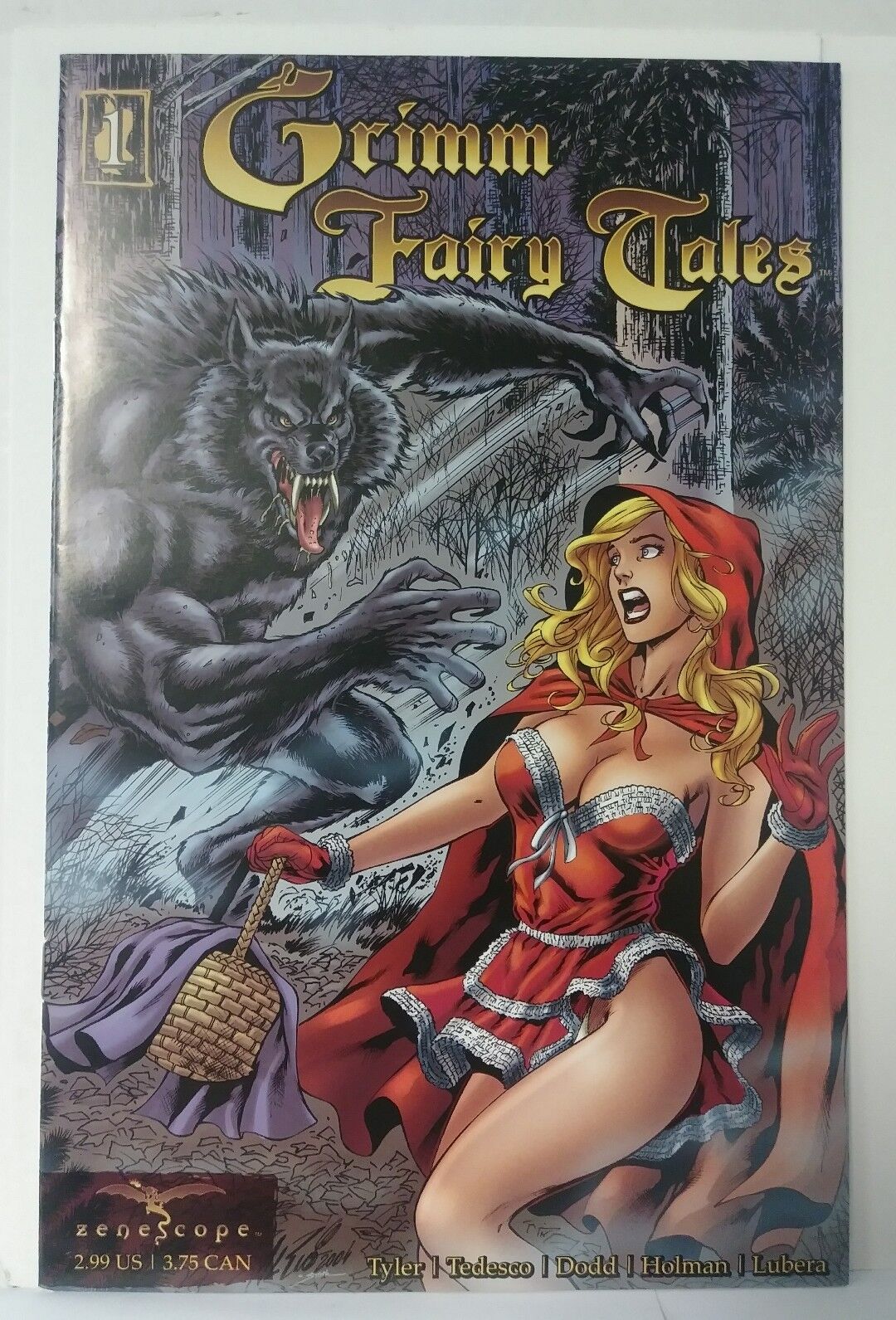
But we also had an idea for Grimm Fairy Tales, which was as simple as it can get. Take the original fairy tales and then make them MORE. We wanted to turn them into The Twilight Zone episodes or Tales from the Crypt. We are big Tales From The Crypt fans. So I was like, “Why don’t we take the original fairy tales, which are dark already, flip them on their ear, and we can just come up with these one shots?” I like fun, twisted tales and no one was really doing that. You would think that that already been done, but it wasn’t being done. And so we just did it. We just were like, “Let’s hire an art studio. Let’s hire an artist. We got Al Rio. If you guys don’t know his work, he passed away years back. But he was a great artist. He did this iconic Red Riding Hood, an adult Red Riding Hood, in the woods, in a nightie and it was such an iconic cover. I knew right away THAT was the cover. You didn’t see anything like that before and I just knew it was gonna be awesome.
Long story short, we published this first issue, but didn’t realize how much publishing was going to cost. We didn’t know what we’re gonna do when we printed 10,000 copies before we had a distributor. We went to a ComicCon in 2005 at Wizard World ComicCon Philadelphia and set up a booth and I had my girlfriend at the time and a few of her friends dress up in cosplay. We were the booth with the hot babes, right? Even Seth Green came by the booth and was hanging out with us. because we had these cute girls there. And we sold out! We brought like, I don’t know, maybe 1,500 copies, something like that. We sold them all. And we got Diamond to pick us up that weekend. We were now in Diamond [the Diamond Distributors Catalog] and we were like, “Well, are we publishing or now?” We had the company name and we were kind of thinking of going through Image. There used to be a company called Speakeasy Comics. They were like Image, but they didn’t last. Then when we got Diamond, we were like, “Let’s just do our own imprint.” That was how it started. So that was a long winded way to answer your question.
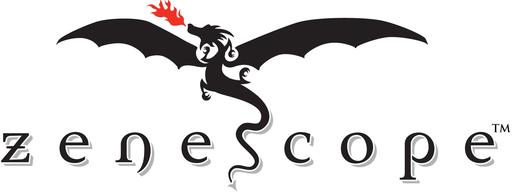
Adam Pope: One thing I really want to know about, is just the name, Zenescope. That really gets people’s attention. I heard at one point that a lot of companies during the independent comics boom were trying to start their company with an A, or start with a D or an M, so they were near DC or Marvel in the Diamond catalog. But you guys went to the end of the alphabet. Why Zenescope?
Ralph Tedesco: It was a happy accident. If you look it up, you’ll see a billion companies with “A” names, it’s kind of hilarious. Because they want to be in the front of the catalog. Honestly, everybody tells us to come up with a really good story but, we just liked the word. Joe was stuck on the word “scope”. He wanted this “scope” in there. I remember he was brainstorming, and he kept going, “You know, like Interscope Records?” and then I was just throwing out random other names and “Zen” is like this balance or the most harmonious. It was like “Zen” and “scope” and then Joe was just like, “That’s it!” So it’s “Zen” and “scope” with the “e” in the middle. And he’s like, “Yeah, let’s do it. I have a great idea for the logo. It’s a dragon and then you have the “S” in the dragon’s tail.”

Michael Cannetti: So one of the things that I find really cool about Zenescope is that it focuses on heroes that, for lack of a better term, represent female empowerment, while also leaning into conventional archetypes. Robyn Hood is very similar to a Green Arrow type. Or Belle who’s kind of like a younger Batman or Nightwing kind of a character. When you were mapping out the universe in the early days, did you set out to create archetype style characters or just wanted to lean into more of the Grimm Fairy Tales, like Snow White and that kind of stuff?
Ralph Tedesco: Oh, we had it ALL figured out and mapped out [Laughs] No, we evolved very organically. Early on, we didn’t even think about a shared universe, that wasn’t even a thought initially. Not until we started publishing the Return To Wonderland series, which really took off and was a much different tone than Grimm Fairy Tales, that’s when we started to think, “Okay, this could be a shared universe.”
Joe had written a script, “Neverland”, it was a screenplay, but it wasn’t finished and he wanted to turn it into a comic book. It has Pan and he’s the evil vampire type being, who lives off of children’s souls basically. The good guy is a homeless beggar in New York with one arm and the hook, who has to go into Neverland and save these kids. He’s the only kid who ever escaped Neverland. So we twisted this Neverland mythology.
Michael Cannetti: I love that idea. If you look at it, you can see the turn and where Peter Pan could be actually be the villain and that he’s taking these children.
Ralph Tedesco: I remember early on, our entertainment managers, who were repping us were like, “You can’t kill kids.” But nowadays they’re killing kids all the time [Laughs]
But with Wonderland we’re like, “Oh, we can create this universe. What if these realms are different dimensions that surround our own, that we just can’t see, but they coexist with Earth?” And and it was really a natural thing where we had reinvented all these fairytale characters, generally female. We didn’t set out with this agenda. It was sort of more just reinventing fairy tales, where your protagonists are generally going to be females. So we started coming up with ways to turn everything. So that was sort of how it how it started. Very organically, accidentally in a lot of ways and then we started to map things out more and get more into creating the universe. Then it evolved from one thing, until now it’s like this shared universe. It is a little bit more superhero now. It has a vibe of Marvel, like fairy tale characters as Marvel heroes in a way that, initially when we started a company, I was like, “Oh, I’m not gonna write that stuff.” But now is what we do. But it’s not ALL we do. You know? We do a lot of horror stuff. We’re actually independently financing a feature, we just shot that we’re doing an anthology style. This is the first short film of that anthology.
Michael Cannetti: Did you write it yourself?
Ralph Tedesco: On that one, I didn’t. I wrote one of them that we’re going to be shooting. We hired a writer/director, who directed the first one and Joe and I are producing it. So we were shooting over nights in LA, a couple weeks ago. We had to do it non-union because of the strikes. We got these actors that are really, really good too.
Michael Cannetti: There’s so many of these stories that literally you could rip the pages right out and convert them into a screenplay in no time. They’re all very well thought out. The pacing is always phenomenal. I was telling Adam recently that one of my favorite books of the last two years is Man Goat and The Bunny Man. It’s such an insane story, but it’s amazing.

Ralph Tedesco: Yeah, that was me, Joe and Dave, at a story conference during COVID, just locked in a room down on the Jersey Shore. Joe threw that out there, it was in his little notebook. He’s like, “Let’s do something weird” and I was like, “Okay” and he’s like, “What about Man Goat and the Bunny Man?” and then we just started running with these ideas. We outlined the first issue that night and then Joe wrote it and it was just off to the races. That was one of the most successful books, we have published.
Michael Cannetti: You couldn’t keep it on the shelves in comic shops, people were buying all the variant covers, second printings, they just wanted this story. And it was so good. It was so fun.
Adam Pope: Through this series of interviews, I’ve actually been reading and realizing what is behind the covers and that this isn’t all that you guys are about. So I really enjoyed the stories I’ve read. I think you guys have a quality editorial staff leading you in an interesting direction. But what also sets you guys apart is that you aren’t doing years and years of monthly titles. You are doing these story arcs that might be three issues, might be six issues and then they can be collected into a trade. Did that come from a conscious choice of saying “No one wants to sit through 12 issues or read for months and months”? How did that develop?
Ralph Tedesco: Yeah, we started realizing that the longer a series goes on, the more readers you’re going to lose over time. So we started doing more four and five issue series and now we’re doing a lot more of the one-shot issues. Sometimes they’re 36 pages, sometimes they’re 48 pages and sometimes they’re 72 pages. Because we started realizing that whenever we published a special issue that was 48 pages, those would sell as much as the 22 pagers sometimes. It’s the Netflix idea, the binging idea. Nobody wants to watch their TV shows week to week anymore. People certainly don’t want to read month to month anymore. 20 years ago, sure, but now everything’s instantaneous for us. We’re spoiled as hell, I’d say.
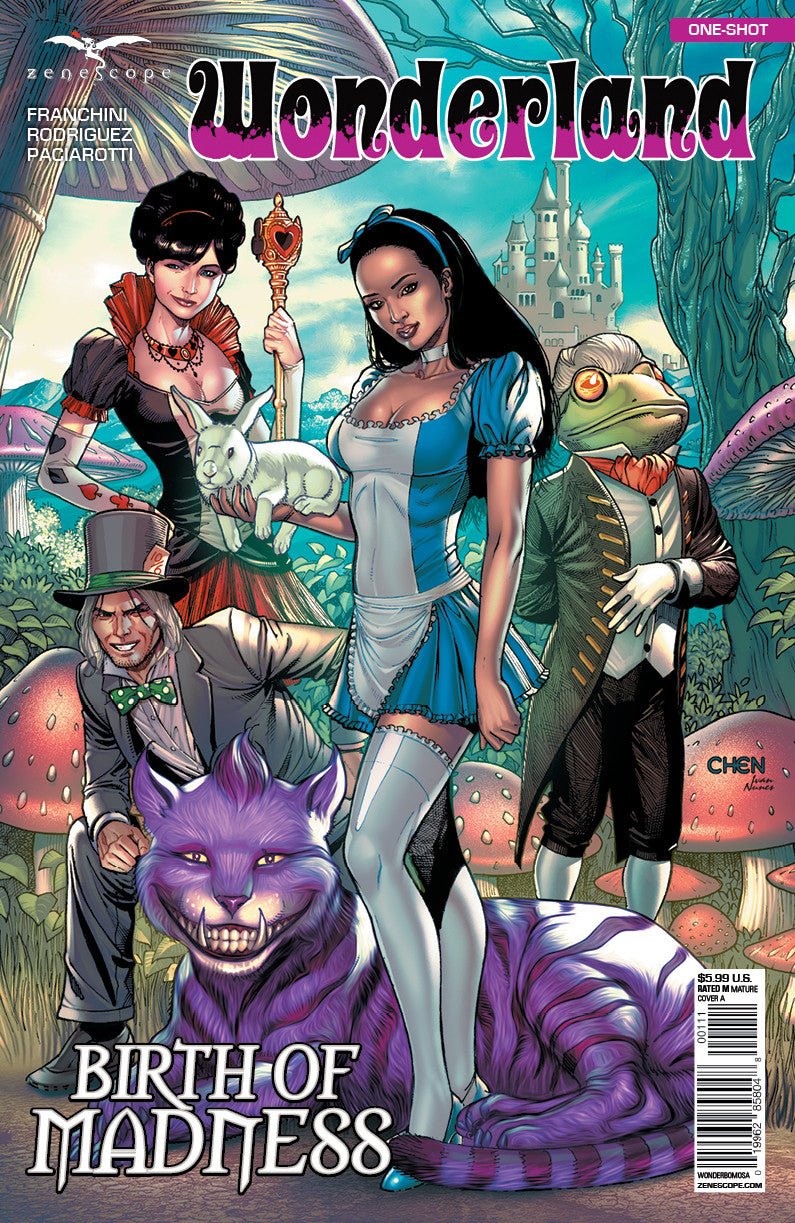
So maybe it’s $7.99 for an issue, but it is 72 pages. So you’re getting a mini graphic novel and you’re finishing a whole arc. So it’s a lot easier to digest. I think for people it feels like you’re getting more bang for your buck. I mean, let’s say you’re selling comics for $3.99 at 22 pages each, versus a 72 pager, it just makes more sense. It is tougher because you need to work out more ahead of time and you need artists to be able to work quickly. If an artist is doing 72 pages, that’s a big commitment for him to do 72 straight pages. So we like to experiment with the different length and formats, but Grimm Fairy Tales is an ongoing that’s been published month to month for 18 years, probably one of the longest running or THE longest running in the comic out there.
Michael Cannetti: What’s cool about them, though, is they’re sort of like gateways. You buy one and say, “Oh, that’s cool”, then go to the next one shot, and so on, and so forth. You’re learning more about the character that you’re reading, whether it’s Belle or Van Helsing or whatever. It sort of evolves your knowledge, as opposed to having a six or twelve issue arc of something and you’re just like, “All right, issues four through seven are kind of throw away.” Each one is sort of interesting and different, based on the villain that they’re facing and the way you twist certain villains. And because it’s one artist doing most of the work in the book, if not all of it, it stays consistent. It’s not like three or four different people jumping onto the book, and you’re like, “Well, I was paying for this guy to do the art…”
Ralph Tedesco: And that will happen no matter what you do sometimes, unfortunately. But we’ve been consistent in finding a good stable of artists and now we’re working with a lot of the same guys, who we know are reliable. That took a long time to get to that point, working with the right interior artists who are dedicated and who are really fast and professional.
Michael Cannetti: I wanted to ask that question. You have a very loyal staff of writers, creators, artists cover artists that love to create work for you guys. How do you think you create an environment where it’s welcoming for them to let their imaginations go wild and have fun with it?
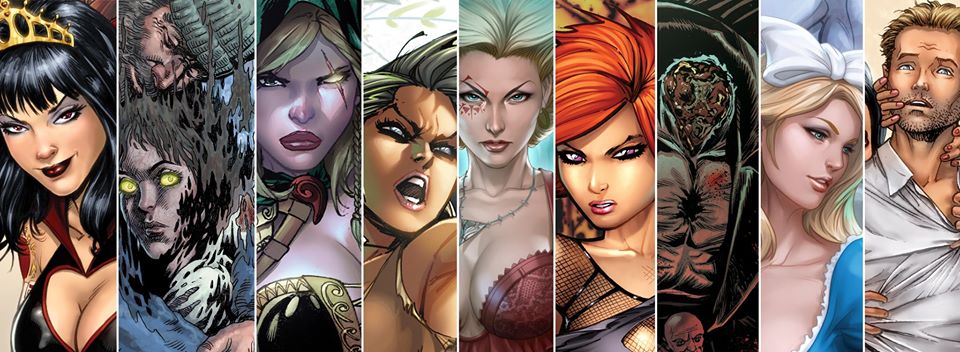
Ralph Tedesco: Some artists are like, “I can’t stand working for so and so because they give me 400 notes on a cover”. They’re either trying to be perfectionist themselves and get the cover perfect are overanalyzing it, or they’re just being a pain in the ass to be prove that they’re the man, right? So I think we’re pretty good with that and we’re pretty easygoing. We won’t give notes. I used to be the editor in chief of the company, but now I moved into a different part of the company, because I would have been pulling my hair out, because it’s such a such a tough gig. It’s a thankless gig that David Wohl now has to carry. We know what we like and we can be tough, but once you’re in with us and we know that you’re a professional, we know that you know what you’re doing, then we kind of let you let you go.
Michael Cannetti: Every comic company now is into the multiverse and they’re leaning so heavily into it. But Zenescope utilizes what they call the Realms. Can you kind of explain the Realms to those that may not know what that is?

Ralph Tedesco: I touched on it a little bit earlier. The idea was that the realms were alternate dimensions. There’s Earth, which is the nexus, Wonderland, Neverland, OZ and Myst, which is the only one you’ve probably never heard of. So all these worlds exist beyond our own, we just can’t see them. Then there’s these beings that are either from Earth or they’re from one of these other dimensions, that may have heightened abilities in this world, or across all the dimensions or just in their dimension. There’s Highborns. There’s a whole mythology behind everything.
So our main character Sela Mathers, who was sort of our version of the Cryptkeeper early on in Grimm fairy tales, she would show up early on and she would hand somebody the fairytale book and they would learn a lesson and that was like the early goings of the Grimm fairy tales. It was like Tales from the Crypt meets fairy tales. Sela then evolved into this Highborn character that was the guardian of the Nexus. So she was the Earth Guardian and she could cross into the other realms. She was the protector of Earth against these enemies from these other dimensions. Then all these other characters like Belle, Robyn Hood, and Hellchild, a plethora of our female characters all have their place within these dimensions, depending on who they are. That’s sort of a general idea of the the realms. It’s just a cool way of bringing in these other beings, so when we have these fairytales and mythologies in our world, that’s because these places do exist.
Adam Pope: Going back to the beginning, talking about being a screenwriter and hoping to break in that way. You said that you weren’t necessarily looking to get into comics and now you have stayed in comics for all these years, coming up on 20 years. What have you learned about the comics industry, about fandom and about making comics? What is it that excites you and keeps you doing this?
Ralph Tedesco: I have a couple of TV writer friends that have written comics for us. One of them, she’s actually become a big comic book writer now too. Her name is Latoya Morgan. She writes for Boom! a lot now, but her first comic book she wrote for us. She was a fan of ours early on and we just had become friends through a general meeting in Hollywood. She just loved comics and she had been writing for big TV series and she wanted write a comic and I’m like, “It doesn’t pay well. Let’s just get that out of the way. We don’t have that kind of budget or we’d be out of business.” And she’s like, “I don’t care, because people are reading it.”
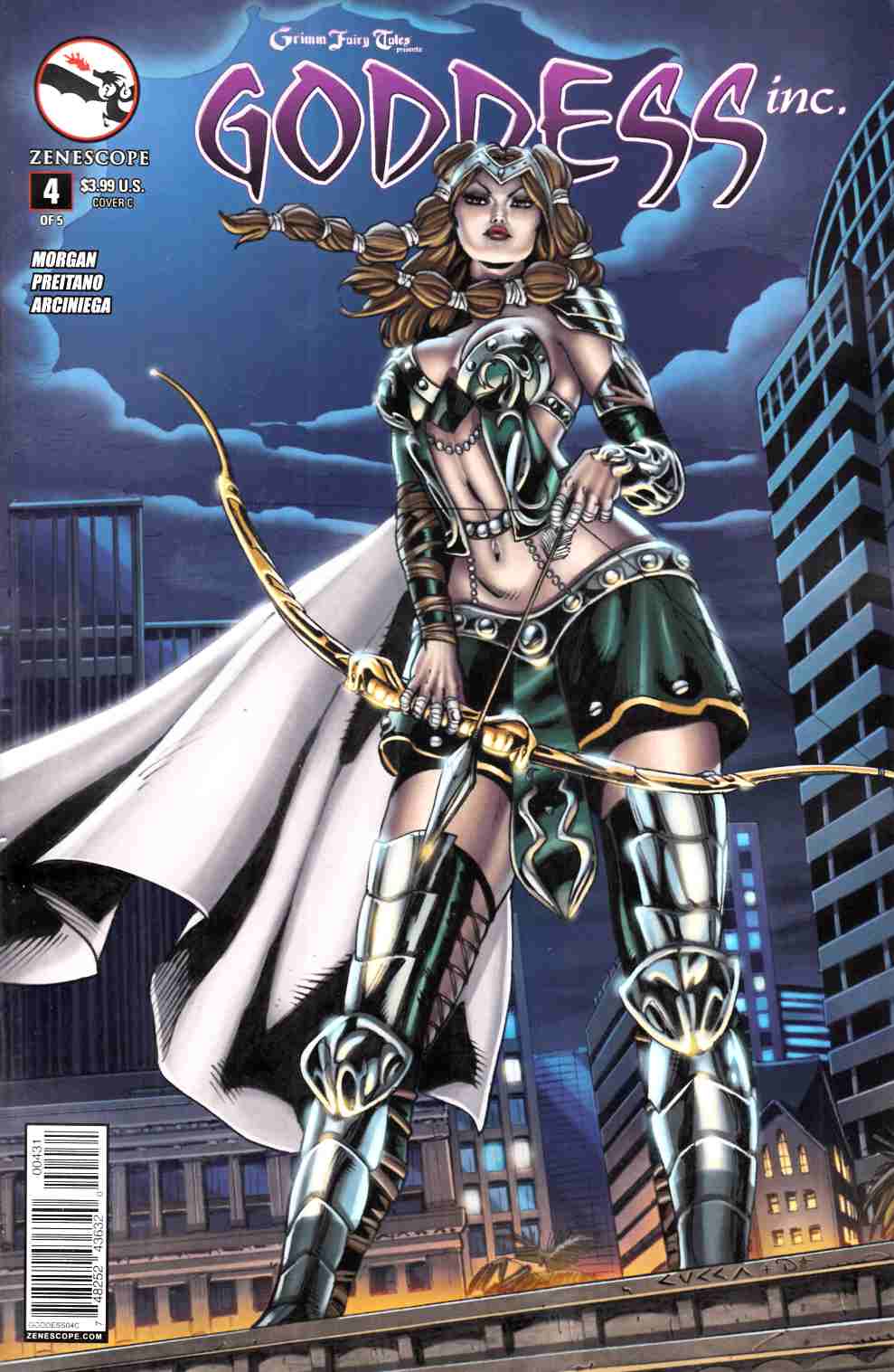
When you’re creating a TV series or you’re writing it and coming up with the world of your TV series or pitch or even writing a screenplay, it’s amazing, right? It feels great to have that written. But the chances of that getting made are so slim. It’s so hard, so hard to get a TV series made. It happens all the time. But there’s thousands and thousands of writers that write all these things or come up with these great ideas and concepts that they pitch to studios, that never get picked up and never get made and no one will ever see those ideas on TV. In feature films, there are scripts everywhere that have been written, that never got produced. What I love about it is, I know that no matter what I write, I’m going to have an audience for them. Somebody’s going to read it. Somebody like Michael. For me, what’s cool is knowing I have an audience. I know there’s haters, and there’s people who will never read a Zenescope Comic and have no inkling to and would think we’re just a T&A company and that’s fine. As long as I know we have our fans that are into it.

Latoya hit on that and then my friend Kevin, who’s a TV writer, said the same thing. It never dawned on me why I enjoyed this as much as I have, but it gives me the ability to create The Courier. It’s a universe I created. There’s only two series out and I’m hoping to wrap it up with a third one eventually. But I created this world, in this universe that otherwise wouldn’t have ever been seen the light of day without a lot of luck, right? If I wrote that as a screenplay and I was working with Bradley Cooper’s company for a while trying to develop it as a screenplay.
Michael Cannetti: I think there’s some sort of Courier movie out there. It’s loosely based on your comic…
Ralph Tedesco: I hope not, because they never paid me.
Michael Cannetti: Well she’s also on a motorcycle and it looks a lot like her.
Ralph Tedesco: It came out a couple years after the comic. I remember seeing a trailer and I was like, “That’s annoying”.
Michael Cannetti: I watched about 10 minutes of it and I turned it off. I was like, this is not the comic at all.
Ralph Tedesco: So to answer your question, at least we have people reading our stuff. At least when I create something I know it’s not just going to be in my head. Because I’ve written scripts that I love and I’m very attached to. Me and my buddy wrote a comedy together years back of “Laser Boys”, which is about a laser tag. It’s like Dodgeball with laser tag. We think is the funniest thing ever, but I know the chances of it getting made are this slim. But I mean, right now for comics I know we’ll have some sort of audience, so that’s cool.
Michael Cannetti: My two favorite characters are Red Agent, who is a Highborn hybrid of Little Red Riding Hood and the wolf combined. It’s got like a little bit of a James Bond vibe to it. My other favorite, by far is Belle. She’s more or less human and doesn’t really have a lot of superpowers, but she’s grown up in this legacy of hunting down demons and monsters. These comic books really impact me. I buy these books over DC and Marvel and Image because I enjoy the characters and this different universe with different storytelling. Are there other stories you think you’re going to be trying to have optioned for movies or television?

Ralph Tedesco: That’s an ongoing process, to be honest. That’s something that when I left the editor-in-chief role behind, that was when we got Van Helsing on air, which was nothing like the comic book. They just bought the comic because they liked this idea of a female Van Helsing. I don’t even think they read the book. So they changed everything. That’s when I kind of got more involved and integrated into any of our future adaptations to make sure it was a little bit more close to what we were doing. Over the years we’ve had stuff optioned multiple times and developed multiple times. I have something right now at Screen Gems, which we’ve announced, which is a book that you might not even have read, called Paradise Court. It’s a deep cut, horror title we published and that they optioned. So we’re working on that with Screen Gems. We had a great screenwriter and then there was a strike as soon as he got hired. We are working on a Man Goat and the Bunny Man TV series right now. We’re working on Monster Hunter Survival Guide…
Michael Canetti: You had a cool three issue horrors series called Possessive…
Ralph Tedesco: Oh, yeah. Possessive by Adam Goldberg, the creator of The Goldbergs.
Michael Cannetti: That would be a great series as well. It’s funny. It’s quirky…

Ralph Tedesco: So Adam created the TV show The Goldbergs. He’s from Joe’s hometown. I grew up 10 minutes from Joe, but Adam and Joe grew up like literally like two blocks away from each other. But they never knew each other growing up. We all met because there was a writer named Hans Rodionoff, who wrote our series called Conspiracy. He works without Adam, they’re writing partners. So we met Adam, we went on the set of Goldberg one day and got to hang out. Adam is a huge fanboy. He would dwarf any of our collections. They pitched us that concept like, “What if there was like this nasty poltergeist ghost haunting this house and killing people, but there was such a loser that lived there, that the ghost almost took pity on him and they fell in love and started to bang?” It’s hilarious. It’s amazing. It’s a horror-comedy. We published it and they’re actually writing the script for it. Even though it was Adam Goldberg, who’s created a huge TV series and he’s also the creator of the new Muppets TV series. It doesn’t matter. It’s hard to get something made. So hopefully we get that made or we get some heat with that. But that’s something we mean to produce as a feature.
Adam Pope: As we close out, I do have to ask about something I give Michael a hard time for, even though I know better better now. Variant covers are part of the business, every publisher is doing it now. Marvel is getting J. Scott Campbell to draw sexy covers of Mary Jane, he’s drawn covers for you. Why do you think you guys have a stigma on some level, while Marvel or DC do not, when they are doing the same thing?
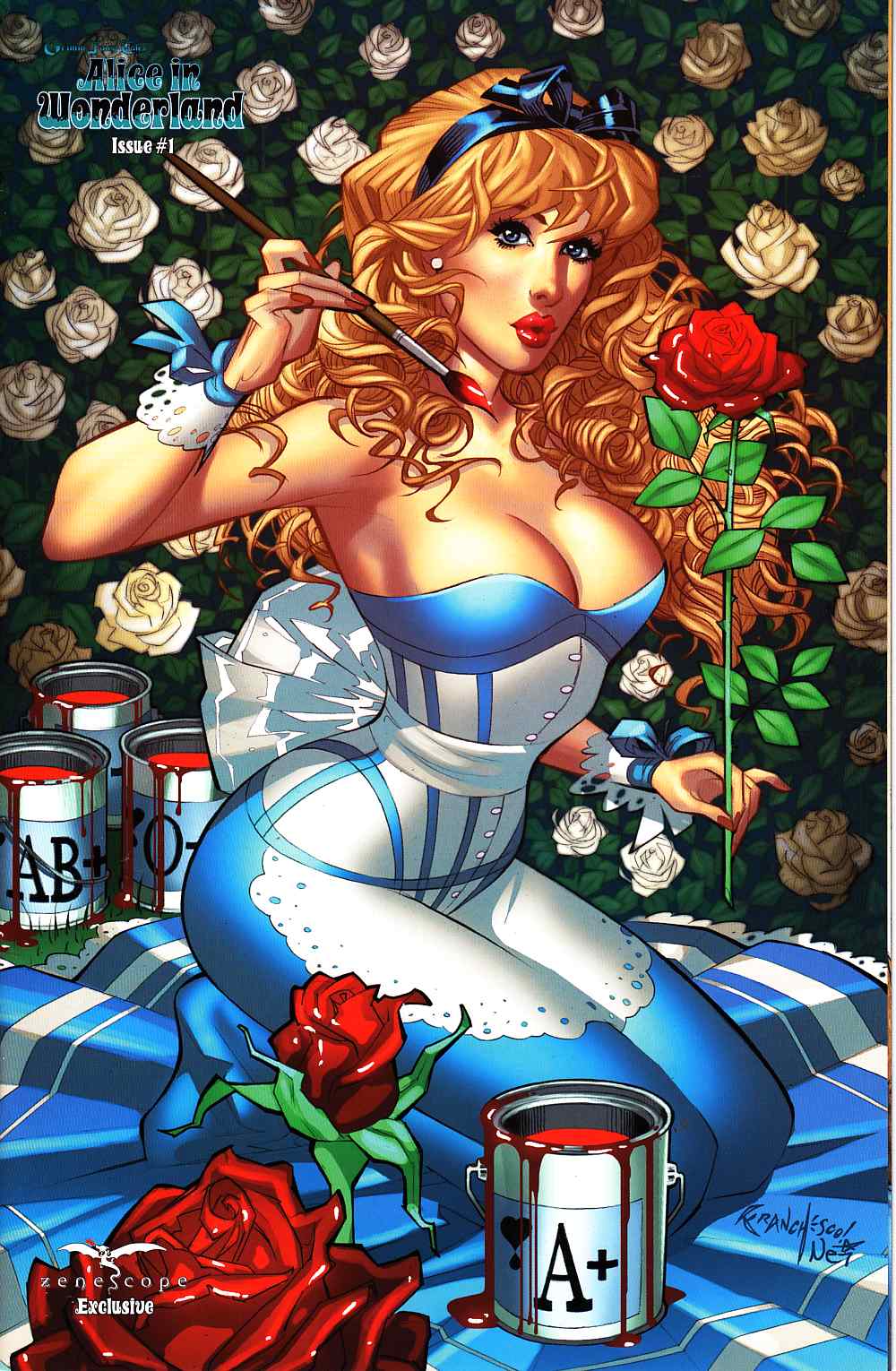
Ralph Tedesco: I think because when we came out, the industry was in this like lull. I didn’t know anything before I started the company. I wasn’t that guy in the 90’s, who knew anything about sexy Bad Girl covers. But I knew that there was sort of a bubble and that it burst in the mid to late 90’s and then it died. Then nobody was really doing it at the time. When we came on the scene and we just went full fledged with it because it made sense. Once we got those Al Rio covers, those things were just flying off shelves. I think it was the concept of, “Oh, these are fairy tales and they’re sexy” and we just ran with that concept. We’re doing so many fairy tale female characters too because we knew what the demographic was, especially then. Now you’re seeing more female readers, which is hilarious, because we would get females coming to our booth and going, “Well I’ve been here at the con with my boyfriend and bored as hell and I saw your your books and I had to buy them, because they were awesome looking.” They were relating to the fairy tale aspect of the book. Then they would see the sexy covers and they would start to turn the page and be like, “Oh wait, these girls are kick ass. They’re not like they are on the covers, their boobs aren’t falling out and they’re not naked. They’re just badass chicks.” But back then we knew the demographic was men and it skewed older. It wasn’t young men. The comic book reader demo was always like 25 to 55. It wasn’t ever 13 to 22, it wasn’t that.

Nowadays you see companies blatantly rip off what we do, just to get covers sold. I’m not going to name names, but I CAN name many names. It’s the same guys who would rip us in a second, who hate us. So it’s kind of funny. Like the other publishers in this industry, there’s some really weird hatred for one another or at least toward us. For a while, it was anti-sexy in like the mid-2000’s, but especially 2011, 2012, 2013 it started becoming like this vitriol, especially on Twitter you could see it. Not really as much anymore. I think people have realized like, that the super weird agenda of trying to cancel us for having sexy covers is maybe over, at least for now.
But if you see any any sexy cover, that’s not even ours. It’ll be like, “Oh, this is Zenescope blah, blah, blah.” And it could be the worst cover that we would never publish. I’ll see something that’s kind of horrible artwork, with the boobs out and they’d be like, “Oh, it must be Zenescope.” I used to get annoyed, but then I’m like, wait we have a branding thing. Like we’re known. That’s what people want to associate us, with any sort of sexy cover. It’s interesting. So now it just is what it is. It doesn’t affect me anymore. I used to get annoyed by it. I used to tweet people back and say stuff, but then I’m like, “What am I doing? Who cares?” If they want to associate Zenescope with anything, it’s a good thing. Any press is good press, mostly. So it’s one of those things I can’t explain. But we’ve become sort of like the Playboy of comics, maybe it’s the Maxim? I don’t understand it, but it is what it is, because we aren’t the only company doing it. Maybe the Maxim, because we’re the biggest company that’s doing it as consistently as we are and we don’t run from it. We’re not hiding from it.
There’s been plenty of comic companies before us that just did boobies on the cover, or a sexy cover and then you open it up and it was probably trash, I’m sure. I know now there’s cover publishers that just publish sexy covers and then they pretend they have some sort of story inside. I’ve read it read a couple of them. And I’m like they’re unreadable. But it’s part of the industry. So I understand it, where somebody will just literally judge a book by its cover. So we try to get out the message and the branding of like, “Hey, come for the coverage to stay for the stories”, because we try it we really do take pride in the stories we’re telling.
You can watch an extended video version of this interview with Ralph Tedesco on the Popgeeks YouTube channel here.
Join Adam and Michael for an exploration of the 90’s comics book industry through the pages of Wizard magazine on the weekly WIZARDS The Podcast Guide to comics at WIZARDSCOMICS.com.
If you enjoyed this post, you might also like:
Dave Franchini, Zenescope Entertainment Interview
David Wohl, Editor In Chief of Zenescope Entertainment Interview


6 replies
Loading new replies...
Member
New Member
Queen of Darkness
New Member
High Heat
Member
Join the full discussion at the PopGeeks.com Forum | Indie Games, Movies, TV & Comics →