Dodo 2.0: The Comeback of the World’s Most Famous Extinct Bird

Donovan Villarica

Super Moderator
Dodo: The Bird That Forgot How to Fly—and Might Do It Again The world’s most famous extinct bird is getting a second shot at existence, courtesy of science, genetics, and a little human guilt. A Bird Too Trusting for Its Own Good Dodo once roamed Mauritius without a care in the world. The tropical island had no predators, endless fruit, and the kind of weather that makes even pigeons give up flying. Over time, those pigeons evolved into the dodo—fat, happy, and confidently grounded. For millions of years, life was good. Dodos laid one egg right on the forest floor and toddled off to eat more fruit. When you live in paradise, who needs anxiety? Then humans arrived. Within a century, the dodo went from thriving to mythological. Dodo revival announcement from Colossal Not Exactly Finger-Lickin’ Good People often assume the dodo’s extinction came from being too delicious to resist. History tells a duller story. Sailors and settlers discovered that dodo meat tasted somewhere between “chewy disappointment” and “wet shoe.” They didn’t hunt dodos for flavor—they killed them because they were there, easy, and apparently made convenient target practice. Rats, pigs, and dogs brought by humans finished the job by […]
Read original article here:
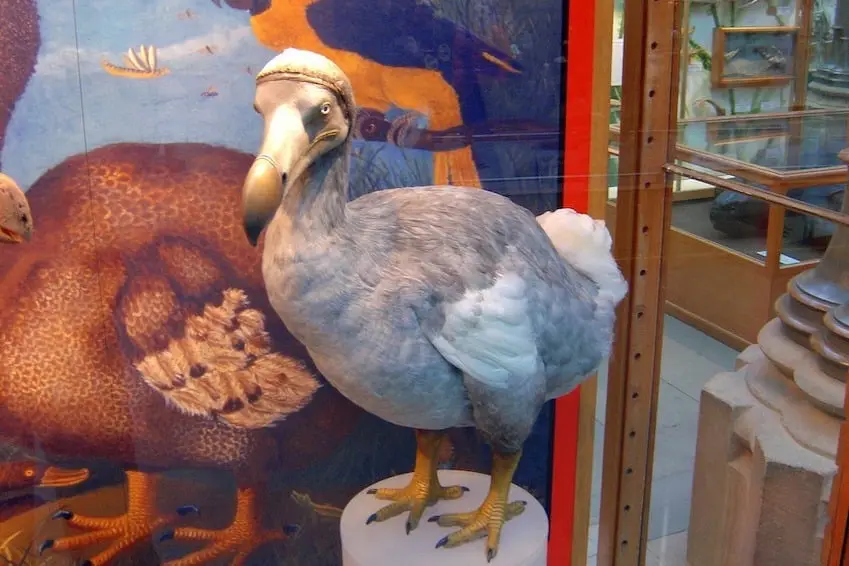
 
Okay, but let’s be honest here. They’re not actually bringing back a real dodo. What they’re making sounds more like a custom-built Nicobar pigeon that happens to look like a dodo, give or take a few feathers. It’s like saying you recreated Beethoven because you taught an AI to play piano with attitude. Sure, it resembles the original, but it’s not him.

I mean, if the DNA is part pigeon, part chicken, and the egg came from a chicken, what are we really getting? A feathered Frankenstein with identity issues? It’s not that I hate the idea — it’s fascinating — but let’s not pretend we’re resurrecting the actual dodo from history. We’re just genetically remixing a bird that once shared its ancestors.

Maybe the new one will waddle, eat fruit, and act friendly, but the real dodo lived in a completely different world, with different trees, predators, and climate. You can’t just 3D print nature back into existence. It’ll be interesting, sure, but let’s call it what it is: a pigeon with a nostalgia filter.
 
There’s something beautiful about humans trying to fix what they broke. Even if it doesn’t work, it’s a sign we’ve learned something. Maybe the dodo’s comeback is more symbolic than scientific, and that’s okay.Can’t wait for tourists to start feeding the new dodos french fries on Mauritius beaches. Extinct once because of humans, extinct again because of bad diets.
 
Cool idea, but maybe we should, I don’t know, save the species that are still here first? The planet’s basically on fire and we’re out here playing Jurassic Park with pigeons.
 
This whole thing gives me big Jurassic Park energy — except with fewer teeth and more feathers. Remember how that went? Humans play with DNA, nature says “nice try,” and everything spirals out of control. Okay, maybe a dodo won’t chase you through a kitchen, but still… do we really need to repeat the lesson?

What bugs me more is how much attention this is getting when there are actual living birds on the brink right now. Kakapos, Philippine eagles, vultures — species that are barely hanging on. Instead of pouring millions into rebuilding something that’s been gone for centuries, why not use that same tech to protect what’s still here?
 
Okay, real question: what’s the actual point of bringing the dodo back? Like, does it help the environment in any way? It’s not like they’re predators that’ll control rats or snakes. They’re not scavengers, and I’m not sure they were major seed spreaders either. So what’s the ecological purpose here?

If it’s about fixing a mistake, fine — that’s a nice moral gesture. But if we’re talking about practicality, I’m not sure what a modern dodo adds to the ecosystem. The forests of Mauritius have changed a lot in 400 years. The fruits they used to eat might be gone, the trees might not even need them anymore.

So unless these new dodos are going to contribute something meaningful to biodiversity — not just be mascots of guilt — I’m not sure I see the point. Cute story, yes. Necessary? Not so much.
 
I never thought I’d live long enough to see a serious plan to bring back the dodo. It feels surreal but also poetic. The dodo became a symbol of how humans can destroy something innocent without thinking. Now science is giving us a second chance, and I think that’s beautiful. I’m aware it’s risky and expensive, but maybe projects like this can push people to care more about the environment. If we can use the same methods to save living birds close to extinction, that’s a real victory.
 
Honestly, I find this project fascinating. It combines science, ethics, and history in one story. The idea that chickens could be used to hatch dodo-like birds sounds like something out of science fiction. But it’s real work, and it shows how far genetic engineering has gone. Even if the “new dodo” is not 100% the same as the old one, it’s still progress.
 
I honestly think this whole thing sounds like a scam. They’re talking about bringing back the dodo, but if you read carefully, it’s not actually cloning a real dodo. It’s mixing pigeon DNA, dodo DNA, and chicken embryos. So in the end, what we’ll probably get is just a genetically modified chicken that looks a little different. Maybe it will have a bigger beak or strange feathers, but it won’t truly be a dodo. I feel like they’re using the dodo name to attract investors and attention, not to restore an extinct species. Science can do a lot of amazing things, but this sounds more like marketing than biology. The part about chickens laying dodo-like eggs feels too convenient. It makes me wonder how much of this is real progress and how much is hype for funding. Until they actually show a living bird that matches real dodo DNA, I won’t believe it.
 
If the Nicobar pigeon is the closest relative, then this so-called “revived dodo” will just be a modified pigeon that happens to come out of a chicken egg. It’s not the real dodo we know from history, just a hybrid created in a lab. They’re not resurrecting an extinct animal; they’re designing a new one and calling it the same name. It feels like humans trying too hard to play God again. Science should have limits, especially when it comes to mixing species that would never reproduce naturally. I get that they want to make up for past mistakes, but this seems more like showing off than saving nature. It’s like they want to prove they can control life itself. If they succeed, what’s next? Rebuilding extinct animals just because it looks impressive? I don’t know, it gives me uneasy feelings. Some things went extinct for a reason, and maybe we should learn from that instead of rewriting it.
 

Latest News & Videos

Latest News

Back
Top