
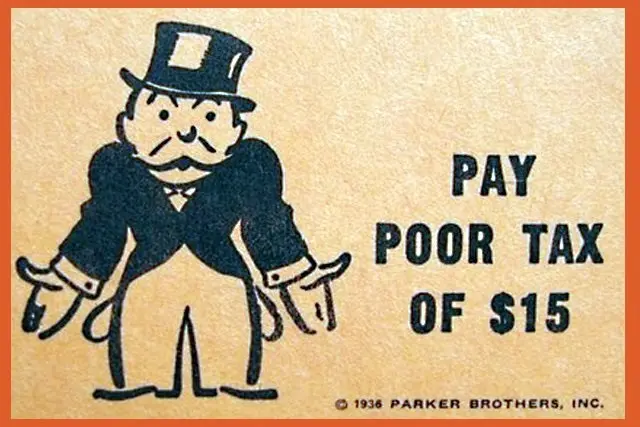
According to trusted financial advisor and shipping merchant who raises fancy dogs Lord Rupert Everton, bankruptcy is nature’s do-over – a fresh start. No debts, no baggage. It’s almost like the witness protection program. The process itself is simple.
STEP 1: Step outside the office breakroom.
STEP 2: Declare bankruptcy as loud as humanly possible.
According to those familiar with bankruptcy, however, it’s a lot more complicated. And as Stephen Glickman, owner and general manager of Roll for Combat, will tell you, it’s a lot less funny and involves 100% less Michael Scott appearances.
HOW DIAMOND BECAME THE INDUSTRY’S VILLAIN
Unless one has a very inside knowledge of the comic book or tabletop role-playing game industries, the name Diamond Comic Distributors may not ring any bells. In a perfect world, this would be par for the course. Diamond Comic Distributors, as the name implies, is a distribution house for several comic book and tabletop book publishers. Along with the aforementioned Roll for Combat, Diamond distributes books for tabletop publisher Paizo as well as independent comic studios such as BOOM! Comics and Image. Even the mighty DC and Marvel have found themselves in bed with Diamond.
However, Diamond now finds them in the role of supervillain. In a video posted to YouTube, Glickman states that since filing Chapter 11 bankruptcy, courts have granted Diamond permission to liquidate their inventory to pay their creditors. “They’re going to take all my books, all the books from 124 other people, and just sell them and keep everything.”
Related: All Oni Press Comics Shipping September 2025
THE DISPUTE OVER INVENTORY OWNERSHIP
The question then becomes whose stock is it anyway? In a follow-up email, Glickman claims Diamond is “arguing that everything in the Diamond warehouse once Chapter 11 was declared can be sold and liquidated to pay off the creditors. Our argument against this is that since the initial Chapter 11 date in January 2025, Diamond was continuing to do business as usual. They continued to receive new stock and send out old stock, take orders, fulfill orders, and pay out publishers.” In addition to not having received any revenue for November and December, Glickman and other publishers argue that they have no right to any stock received after the bankruptcy filing. At the very least, he argues, the holders of the ownership rights deserve to get their stock back.
At the crux of the issue is the matter of ownership. As such, yet again, join me, Professor PopGeeks, as we have another lesson in economics. This time, we need to dive into the inner workings of consignment.
(Click for larger image)

WHAT’S MEANT BY CONSIGNMENT
Simplified, a consignment agreement is an agreement between the owner or creator of a work – in this case, a comic book or tabletop book – and another party such as Diamond. In this agreement, the owner/creator (the “consignor”) enters a contract with the distributor (the “consignee”) for the distributor to sell its product. The distributor then reaches out to sales outlets to sell the consigned product wholesale.
This could include comic book shops, game stores, and major retailers such as Barnes & Noble. The retailers pay the distributor wholesale, and the distributor remits payment to the owner/creator per the terms of the consignment agreement. When it works, it’s a smooth process, and puts titles readers and players love on more shelves. The owner/creator sacrifices some of the profit in order for the distributor to do the work of selling, and the distributor pockets a little coin for being a third-party middleman.
The flow of ownership rights is the current problem at hand, however. In a usual consignment agreement, ownership rights stay with the consignor; the consignee never holds those rights. They stay with the owner/creator until the product is sold to the retailer, at which point the retailer then holds the ownership rights. Those items are now able to be sold to consumers and shoppers.
So is Diamond within its legal rights to sell Roll for Combat’s product to pay its creditors? Welllllllll……
ON THE OTHER HAND…
Diamond has an ace up its sleeve in the form of Uniform Commercial Code Article 9, requiring a consignor “perfect” their interest in the goods involved in the consignment agreement. This process involves specific paperwork and notifying the necessary creditors.
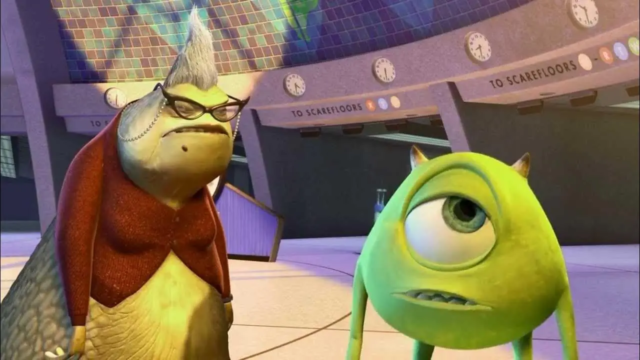
Diamond’s argument relies on what I’ve nicknamed “the Roz Clause.” To quote Mike Wazowski’s workplace nemesis, Roz, “you didn’t file your paperwork.” Essentially, Diamond is arguing that consignors didn’t perfect their interest in the consigned goods, therefore they can liquidate the inventory to pay their debts.
Aside from the judiciary landscape currently leaning right and favoring businesses over individuals, a bankruptcy court would most likely lean in Diamond’s favor, as the matter may boil down to a question of if the consignor followed procedure in Uniform Commercial Code Article 9 – the consignor either did or didn’t.
Does that leave entities like Roll for Combat out in the cold empty-handed? Welllllllll……
ON THE OTHER OTHER HAND…
While the deck seems to be stacked in favor of Diamond, in follow-up emails with me as well as a follow-up YouTube video Glickman says that Diamond acted as if everything was hunky-dory. According to Glickman, business as usual sallied forth. Diamond received stock, sold it to retailers, and sent sales reports; therefore, any product consigned after the January 2025 bankruptcy filing should not be subject to liquidation.
Chase, the bank trying to collect on Diamond’s debts, have given all parties until July 21 to respond, the same week as the industry-defining megaconference, San Diego Comic Con. How convenient for Chase.
ROLL FOR IMPACT ON CONSUMERS
Ultimately, consumers won’t feel the effects… right away. In interviews with local game stores, employees said that while Diamond does have a healthy thumbprint in their ordering, no price changes have gone into effect yet. Eventually, though, that might change. Though any liquidated stock can be reprinted, Glickman says that smaller businesses will suffer through reprinting thanks to higher costs associated with materials thanks to the scattershot tariff policy of America’s Dear Leader. In turn, this will cause higher prices, leading to higher retail values, which of course leads to more coin falling out of consumers’ wallets.
Ultimately, it’s yet another story about how money ruins things. And while wealthy figures like Lex Luthor, Kingpin, and Elon Musk occasionally get what’s coming to them, in reality it’s more frequent where the haves stand victorious over the have-nots.
Next: Diamond’s Flush: The Bad Beat Faced By Small Businesses in the Wake of Diamond’s Bankruptcy on our Forums
KEY TAKEAWAYS
- Diamond Comic Distributors filed for Chapter 11 bankruptcy in January 2025, allowing it to liquidate warehouse stock to pay creditors.
- Small publishers like Roll for Combat allege Diamond continued business-as-usual post-filing, including accepting and distributing new inventory without compensation.
- Publishers claim ownership of unsold stock, arguing Diamond is unlawfully liquidating goods that were consigned and not legally transferred.
- The dispute hinges on Uniform Commercial Code Article 9, which requires consignors to “perfect” their interest in consigned goods through specific filings.
- Diamond’s legal defense is that publishers failed to file proper paperwork, forfeiting their rights to reclaim unsold inventory.
- Legal precedent and current judicial leanings favor Diamond, but actions taken after the filing date could complicate the outcome.
- Consumers may not feel immediate effects, but potential reprint delays and increased production costs could drive up future prices.
- The case underscores the fragile position of indie publishers, who rely on third-party distributors but often lack legal leverage in bankruptcy disputes.
- Chase Bank’s creditor deadline of July 21 coincides with San Diego Comic-Con, adding public pressure to the situation.
- This case could set precedent for how consignor rights are handled in similar industry bankruptcies, especially within comics and tabletop gaming.



8 replies
Loading new replies...
Roll for initiative
New Member
New Member
Captain of of my own express
Larping is a contact sports!
Member
My Name is Luca, I live on the second floor
New Member
Join the full discussion at the PopGeeks.com Forum | Indie Games, Movies, TV & Comics →